
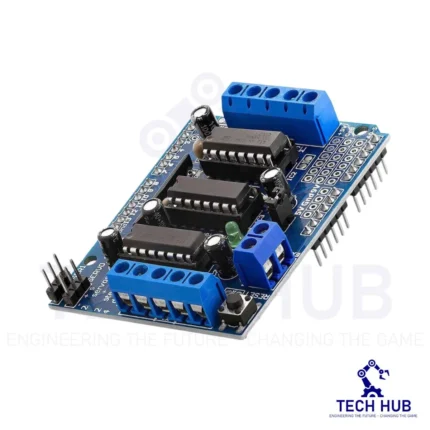
Arduino Shield - Nano CNC Machine V4 Board
Original price was: 120.00 EGP.99.00 EGPCurrent price is: 99.00 EGP.
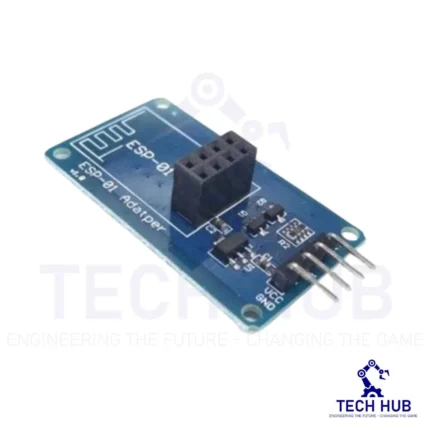
CNC Shield V3.0 For Arduino Uno
Original price was: 120.00 EGP.99.00 EGPCurrent price is: 99.00 EGP.
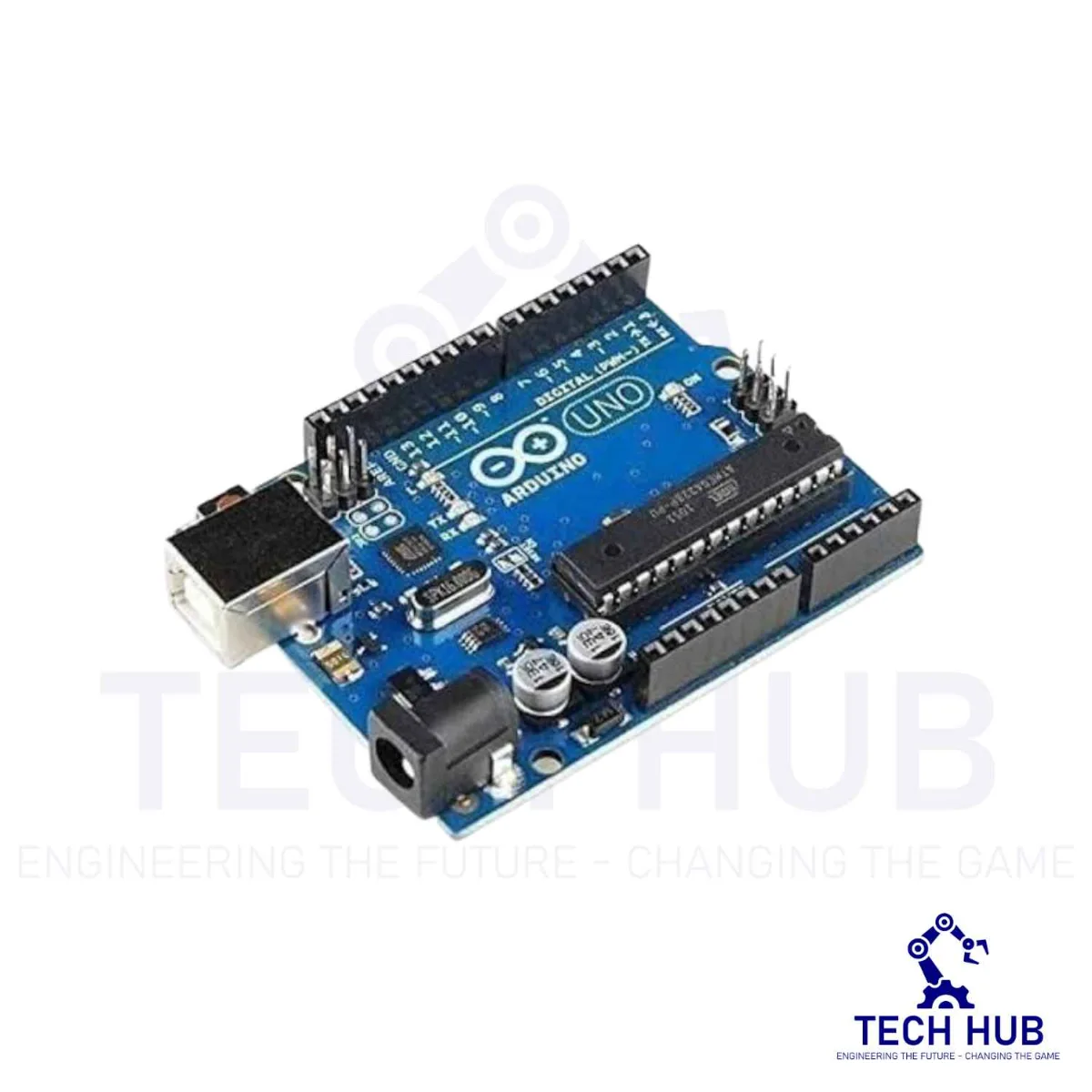
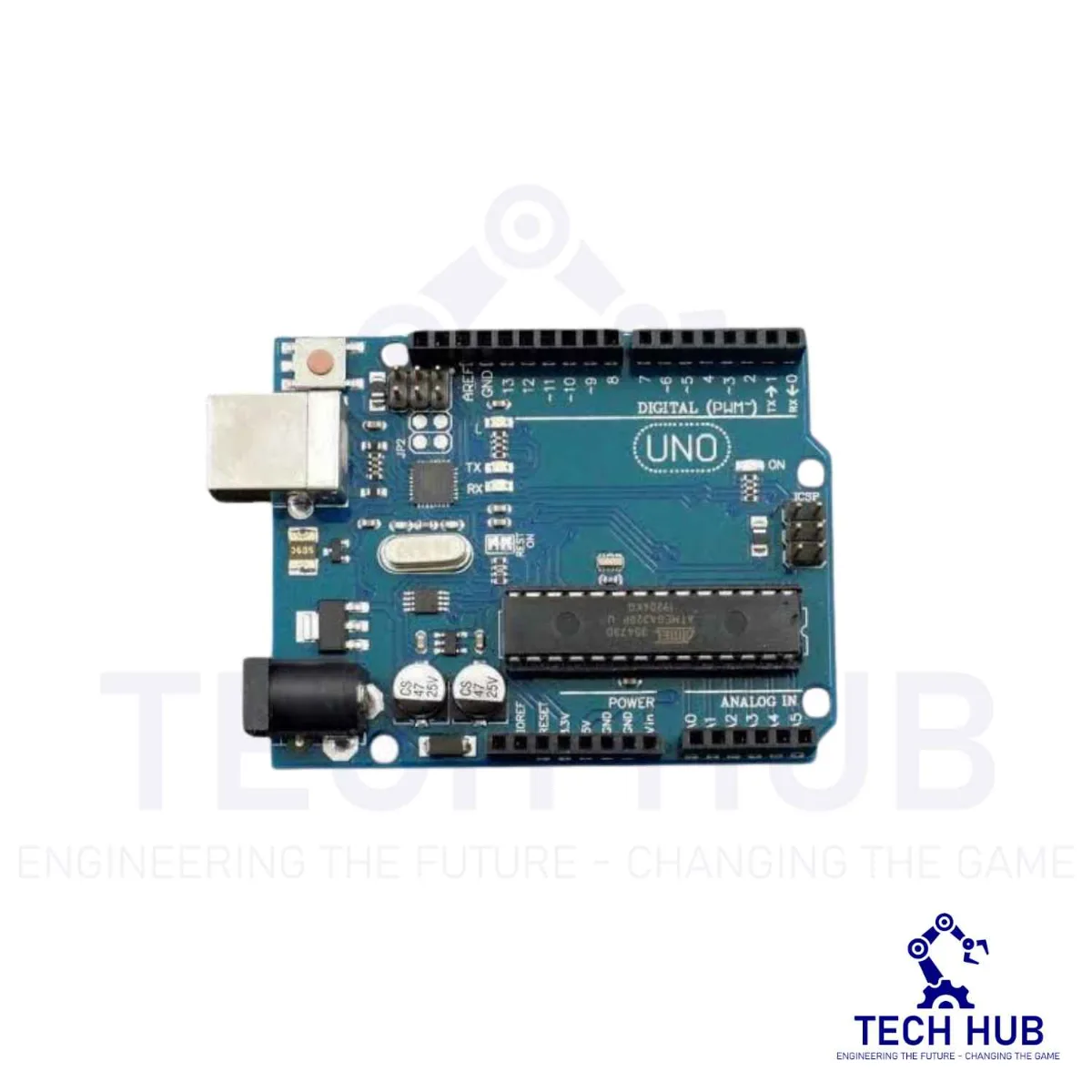
Arduino UNO R3 Compatible Board (ATmega328P, CH340)
450.00 EGP
Arduino UNO R3 compatible (clone) board based on the ATmega328P with a CH340 USB-to-serial chip. Works with the Arduino IDE and all UNO shields. Install the CH340 driver if your computer does not detect the board.
| Weight | 0.025 kg |
|---|---|
| Dimensions | 7.7 × 5.34 × 1.5 cm |
22 in stock
Description
Arduino Uno Rev3 With CH340 Uploader
The Arduino Uno Rev3 with CH340 Uploader is a microcontroller board based on the ATmega328P. It serves as a cost-effective alternative to the Arduino Uno Rev3, utilizing the CH340 chip for USB-to-serial communication. The board is fully compatible with the Arduino Integrated Development Environment (IDE) and can be used for a wide range of projects, from simple LED blinking to more complex applications like robotics and Internet of Things (IoT) devices. Its affordability, ease of use, and extensive community support make it an excellent choice for both beginners and experienced makers.
Note: this is an Arduino UNO R3 compatible (clone) board, not an original Arduino-brand board. It works with the Arduino IDE (select Arduino Uno as the board) and with all UNO shields. Windows 10/11 and macOS usually install the CH340 USB driver automatically. If the board does not show up as a COM / serial port, install the CH340 driver from the chip maker WCH: CH340 driver for Windows.
Features
- Microcontroller: ATmega328P
- USB-to-Serial Chip: CH340 (requires drivers on some operating systems)
- Digital I/O Pins: 14 (6 of which can be used as PWM outputs)
- Analog Inputs: 6
- Clock Speed: 16 MHz ceramic resonator
- USB Connection: For programming and power (via CH340 chip)
- Power Jack: For external power supply (7-12V recommended)
- ICSP Header: For in-circuit serial programming
- Reset Button: To restart the board
- Built-in LED: Connected to pin 13 for easy testing
- Open-Source Design: Allows for customization and modification
Specifications
| Microcontroller | ATmega328P |
| Serial to USB Converter | CH340 |
| Operating Voltage | 5V |
| Input Voltage | 7-12V |
| Digital I/O Pins | 14 |
| PWM I/O Pins (Shared with Digital I/O) | 6 |
| Analog Input Pins | 6 |
| DC Current per I/O Pin | 20mA |
| DC Current which can be drawn from 3.3V Pin | 50mA |
| Flash Memory | 32 KBytes |
| SRAM | 2 KBytes |
| EEPROM | 1 KBytes |
| Clock Speed | 16MHz |
| Built-in LED | Attached to digital I/O Pin 13 |
| USB Connector Style | B-Type Female |
| Board Dimensions (PCB) | 68.8 x 53.4mm (2.7 x 2.1″) |
| Board Dimensions (with connector overhang) | 77 x 53.4mm (3 x 2.1″) |
| Mfr | China |
Pinout

Applications
- Beginner Projects: LED blinking, button inputs, and basic circuit interactions
- Sensor Reading: Interfacing with sensors for temperature, humidity, light, motion, etc.
- Motor Control: Driving DC motors, stepper motors, and servos for automation and robotics
- Prototyping: Testing circuits and code before moving to custom PCBs or production
- Robotics: Controlling robot movements, sensors, and actuators
- IoT Devices: Connecting to the internet for data logging, remote control, and smart home applications
- Educational Tools: Teaching programming, electronics, and microcontroller concepts
Windows
- Download the Windows CH340 Driver
- Unzip the file
- Run the installer that you unzipped
- In the Arduino IDE when the CH340 is connected you will see a COM Port in the Tools > Serial Port menu, the COM number for your device may vary depending on your system.
Reviews (0)
Related products
-17%
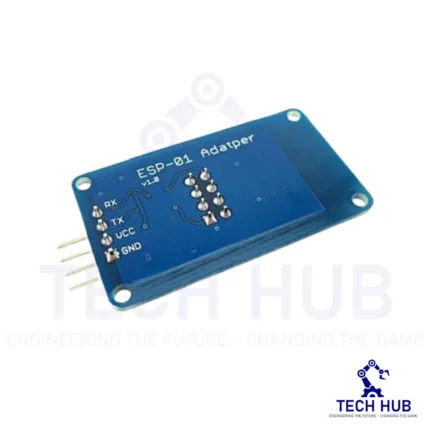
WIFI Serial Module ESP-01 Adapter Board (3.3V 5V)
The use of an ESP8266 with Arduino requires logic level translation of the UART signal, as provided by this easy 3.3 V – 5 V adapter. It makes the ESP-01 ESP8266 WiFi module the easiest WiFi transceiver for your Arduino (5 V).
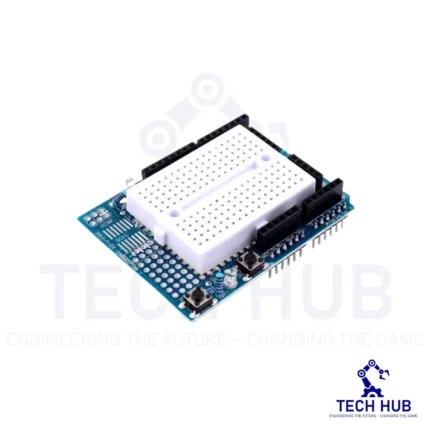
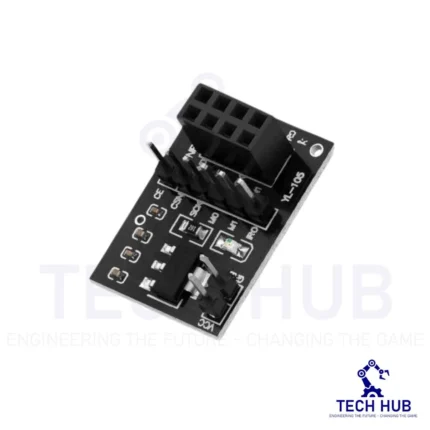
NRF24L01 Wireless Module Adapter Board
This 5V-3.3V VCC Adapter Board for NRF24L01 Wireless Module enables you to use NRF24L01-type transceivers on 5V systems like Arduino.
It regulates the 5V input to 1.9~3.6V DC and incorporates bypass capacitors for reliable operation. The NRF24L01 utilizes the Enhanced ShockBurst (ESB) protocol to support two-way data packet communication with packet buffering, packet acknowledgment, and automatic retransmission of lost packets.
Reviews
There are no reviews yet.