
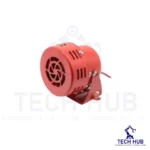
MS-190 Mini Motor Siren 220Vac
Original price was: 300.00 EGP.275.00 EGPCurrent price is: 275.00 EGP.
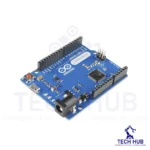
Arduino Leonardo R3
475.00 EGP
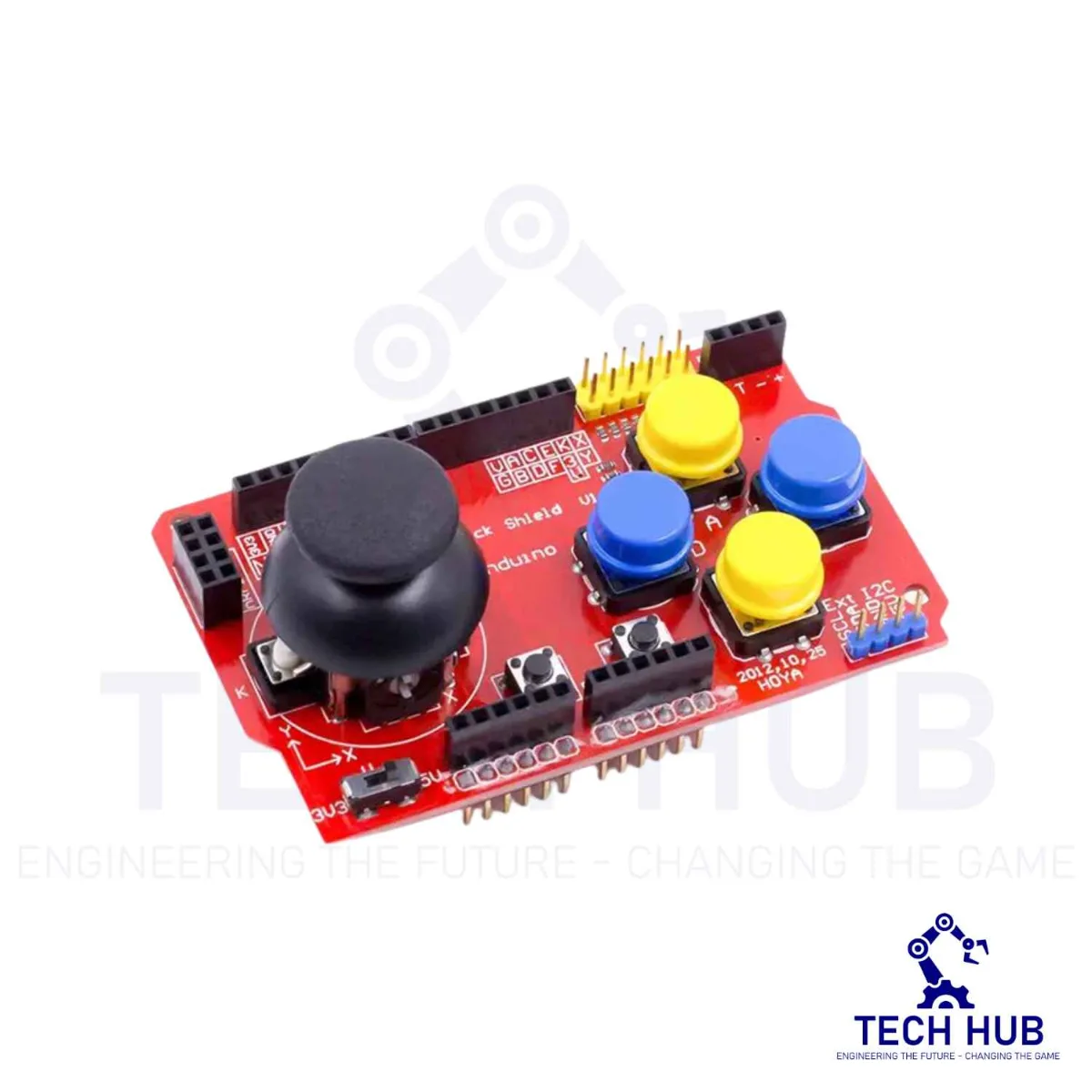
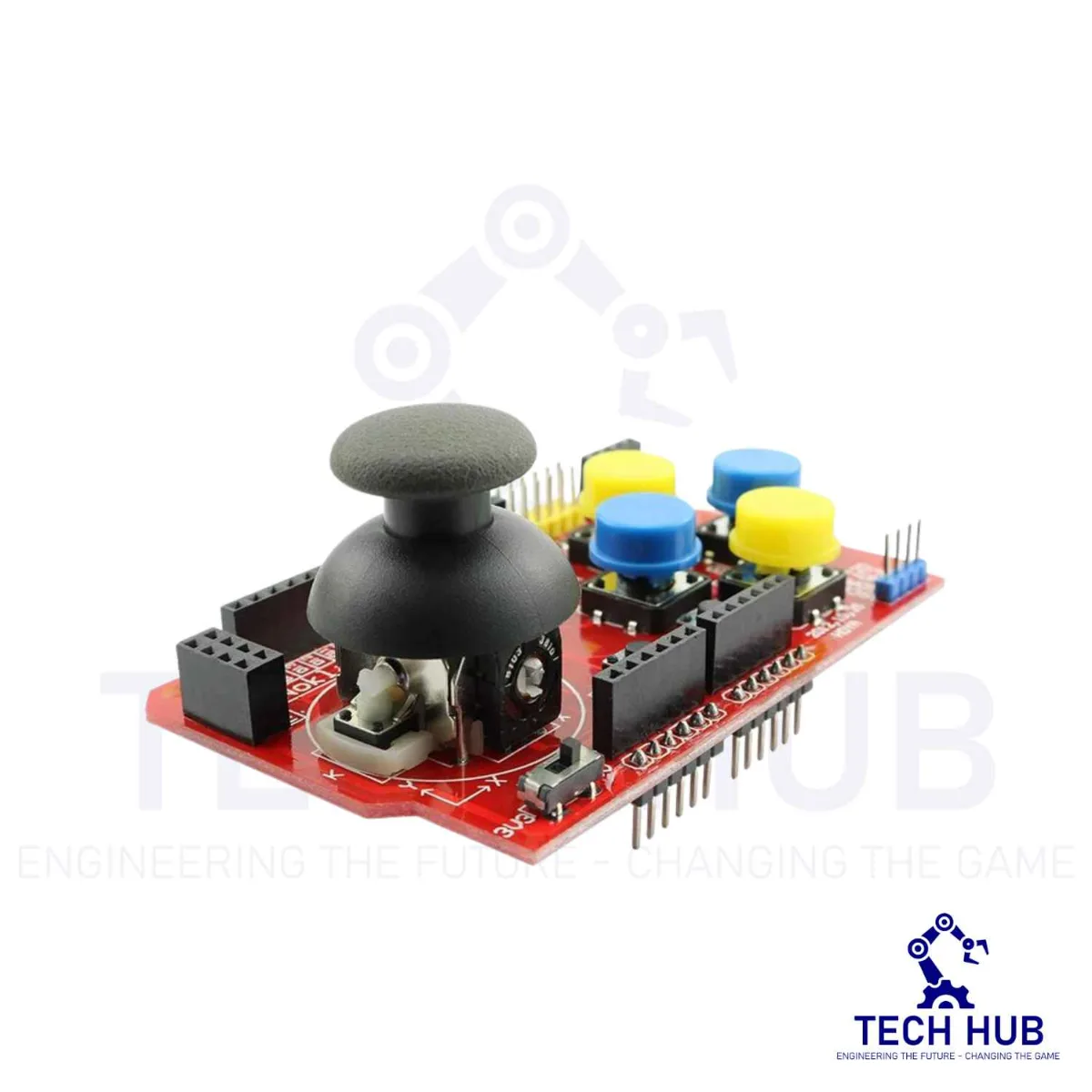
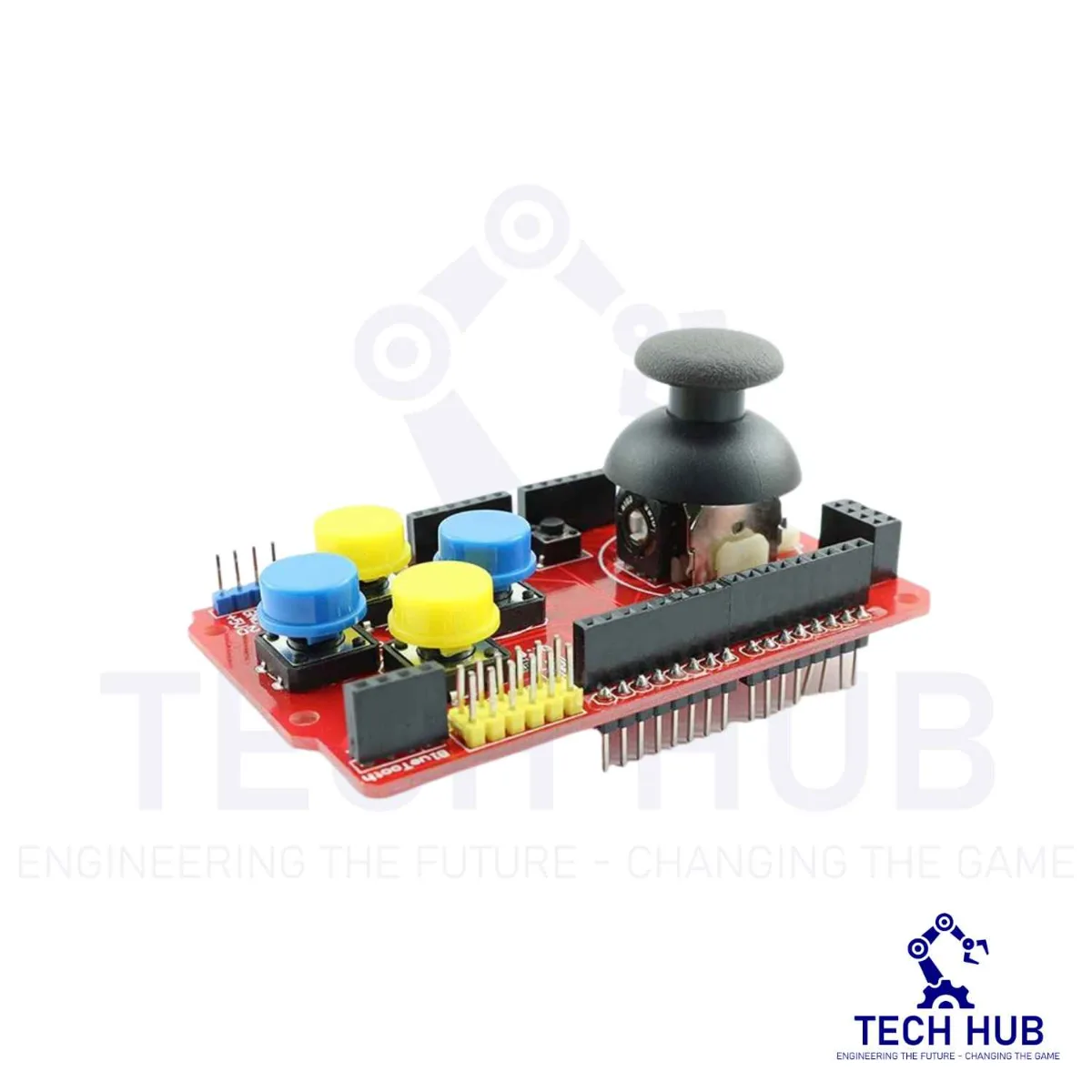
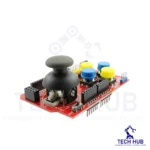
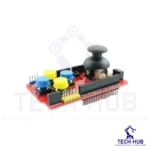
Arduino Joystick Shield
145.00 EGP
- Compatibility: Designed for use with Arduino boards.
- Joystick: Features a two-axis joystick for precise control in both X and Y directions.
- Buttons: Equipped with multiple push buttons for additional input options.
- Shield Form Factor: Designed to be easily mounted onto Arduino boards, providing a convenient and compact form factor.
| Weight | 0.03 kg |
|---|---|
| Dimensions | 8.7 × 5.4 × 1.5 cm |
2 in stock
Description
Arduino Joystick Shield
The Joystick Shield for Arduino is a compact plug-on board that instantly transforms an Arduino Uno or Mega into a handheld controller. It places a two-axis thumb joystick and seven momentary pushbuttons directly above the Arduino headers so you can prototype joystick-driven projects without wiring. A slide switch lets you choose between 3.3 V and 5 V logic, making the shield suitable for both 3.3 V and 5 V Arduino platforms.
Electrically the shield is simple to integrate: analog outputs from the joystick provide variable X/Y readings while the pushbuttons (including the joystick’s select switch) act as digital inputs. The shield includes extra breakout headers to mount commonly paired modules for example a Nokia 5110 LCD or an nRF24L01 radio so you can build interactive displays or wireless controllers using the same board. The physical layout mirrors Arduino Uno/Mega stack-up to keep connections intuitive.
Mechanically compact and geared toward learning, gaming, remote control and prototyping, the Joystick Shield reduces assembly time for joystick projects and encourages iterative experimentation. The datasheet supplies mechanical dimensions, a functional block diagram and recommended wiring so designers can drop the shield onto projects with confidence. SKU and ordering info are included for quick procurement.
Features:
- Arduino Uno and Mega compatible shield for joystick control.
- Operates at both 3.3 V and 5 V with a slide voltage-select switch.
- Two-axis analog thumb joystick with integrated push (select) button.
- Seven momentary pushbuttons (6 + joystick select).
- Additional breakout headers for Nokia 5110 LCD and nRF24L01 modules.
- Simple stackable form-factor for direct mounting on Arduino headers.
- Includes mechanical drawings and a functional block diagram for easy integration.
Specifications:
| Parameter: | Value: |
|---|---|
| Part / SKU: | MDU1142. |
| Compatibility: | Arduino Uno / Mega. |
| Operating voltage: | 3.3 V & 5 V (selectable via slide switch). |
| Joystick: | Two-axis analog thumb joystick with push (select) switch. |
| Pushbuttons: | 7 momentary pushbuttons (6 + joystick select). |
| Additional headers: | Breakouts for Nokia 5110 LCD and nRF24L01 modules. |
| Mounting: | Stacks on Arduino headers (shield form factor). |
| Documentation: | Mechanical dimensions (mm) and functional block diagram included. |
| Typical use: | Handheld controller / input interface for Arduino projects. |
Dimension:

Connection Pinout:
- RF transceiver circuit nRF24L01+: IRQ-D8 CE-D9 CSN-D10 MOSI-D11 MISO-D12 CLK-13
- Bluetooth transceiver circuit HC-06: RXD-D1 TXD-D0
- Button: A~D2 B~D3 C~D4 D~D5 E~D6 F~D7 X~A0 Y~A1 Key_Joystick~D8
- Nokia 5110 Display: 3V3 GND D13 D12 D11 D10 D9 3V3

Circuit Diagram:

Applications:
- Gamepad and joystick input for Arduino projects.
- Robot teleoperation and remote control prototypes.
- Interactive menus and UI navigation for small displays.
- Wireless controller projects using nRF24L01 modules.


Package Contents:
- 1x Joystick Shield for Arduino
Datasheet
Reviews (0)
Related products
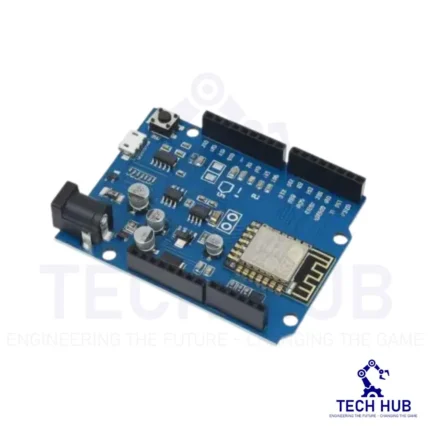
WeMos D1 ESP8266 WiFi Board (UNO Based)
The ESP8266 D1 R1 WiFi board utilizes the ESP8266 WiFi enabled processor, and puts it onto an Arduino Uno board footprint. It provides a way to work with the ESP8266 in a familiar setup and does not require a breadboard in order to make interconnections since it has the typical on-board female headers. It will also work with some Uno shields that have compatible I/O pin-outs.
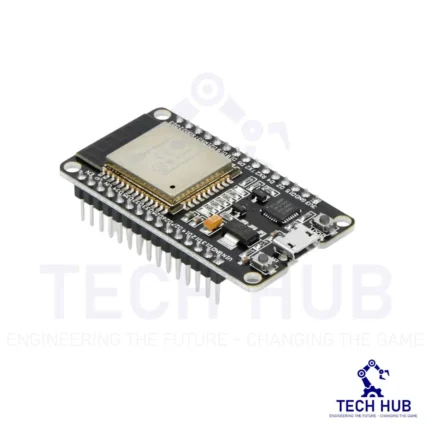
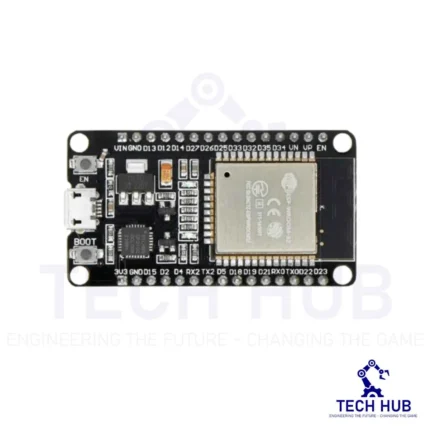
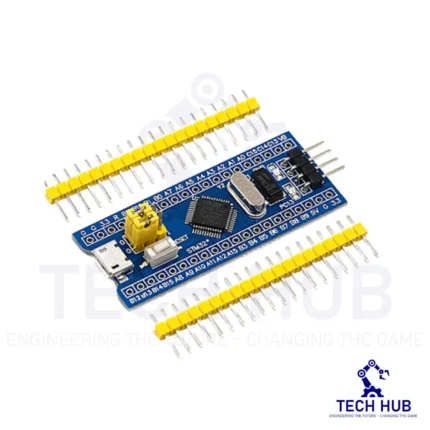
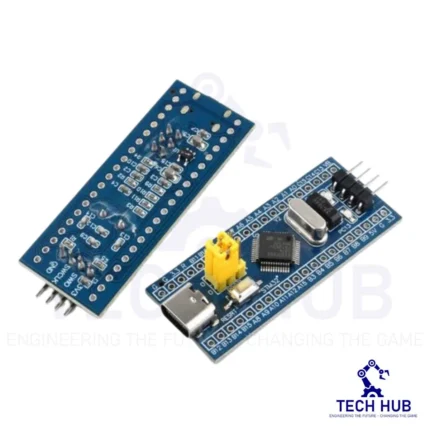
STM32F103C8T6 ARM Minimum System Development Board
- Number of pins: 48
- Kernel: ARM Cortex-M3
- Operating frequency: 72MHz
- Storage resources: 64K Byte Flash, 20KByte SRAM
- Interface Resources: 2x SPI, 3x USART, 2x I2C, 1x CAN, 37x I / O ports,
- Analog-to-digital conversion: 2x ADC (12-bit / 16-channel)
- Timers: 3 general timers and 1 advanced timer
- Debug Download: Support JTAG / SWD debug interface to download, support for IAP.
- RT9193: 3.3V regulator chip, a maximum output of 300mA.
-17%
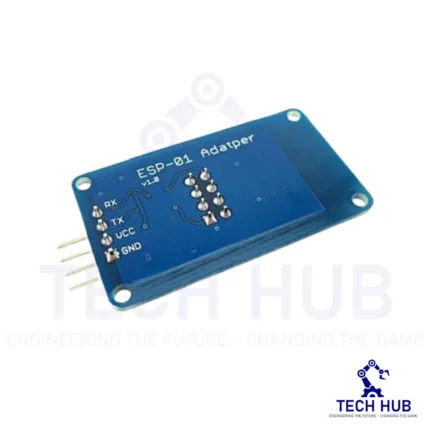
WIFI Serial Module ESP-01 Adapter Board (3.3V 5V)
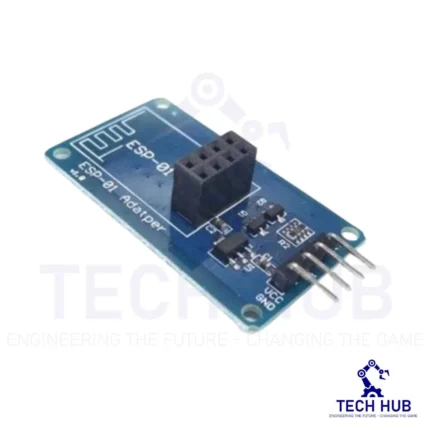
The use of an ESP8266 with Arduino requires logic level translation of the UART signal, as provided by this easy 3.3 V – 5 V adapter. It makes the ESP-01 ESP8266 WiFi module the easiest WiFi transceiver for your Arduino (5 V).
Reviews
There are no reviews yet.